Teatro Real: a digital strategy to connect the full cultural experience.
Research, strategy and UX design to align the website, app, Palco Digital / My Opera Player and online sales — and bring Teatro Real closer to new audiences.
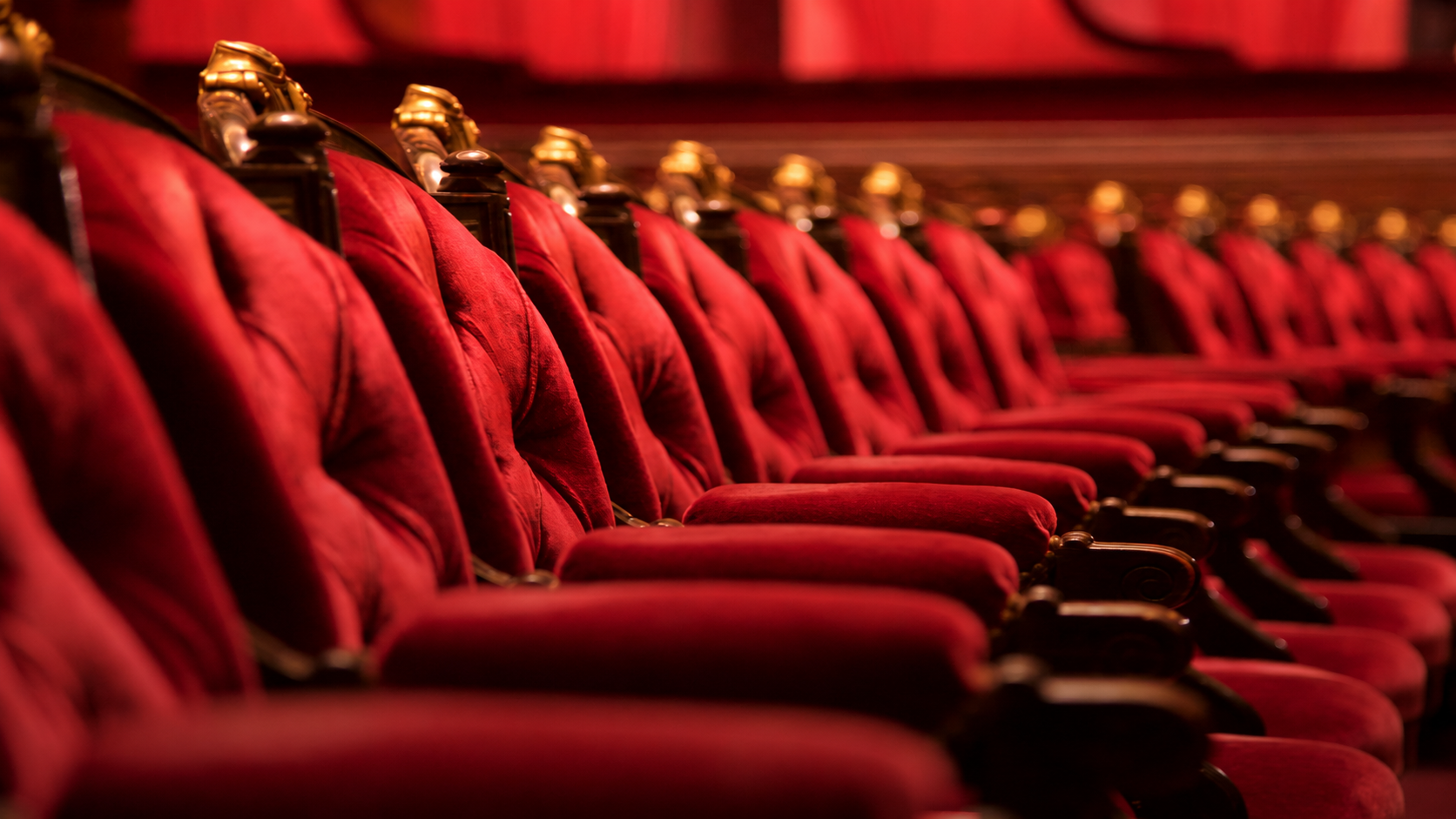
Teatro Real wanted to broaden and renew its audiences and strengthen its digital relationship with the public. With Telefónica España, we defined a strategy and user experience connecting the website, app, ticket sales and Palco Digital / My Opera Player, without taking on the technical implementation of those platforms.
Services
We align business goals with people’s needs. We define priorities, scope and product criteria to guide design and development towards a shared vision.
We investigate people’s needs, motivations and behaviours alongside the business context. We combine qualitative and quantitative methods to identify opportunities and inform design decisions with evidence.
We design the complete experience people have with an organisation. We connect moments and touchpoints to identify friction and create a consistent journey before, during and after using a service.
We organise a digital product’s information, navigation and flows so people can understand it and achieve their goals. We make tasks clear, straightforward and appropriate to their context of use.
We create interactive representations of a product to explore and evaluate how it works before development. Prototypes help test ideas and user journeys and build a shared understanding across teams.
Work process
Teatro Real is one of Europe’s leading opera houses. From Madrid, it brings together major productions and internationally acclaimed figures in opera, musical direction, stagecraft and dance. But the relationship with the theatre does not begin in the auditorium: it starts when someone discovers a production, looks for information, considers a cultural experience or decides to attend.
With more than two centuries of history and international recognition, Teatro Real set out to broaden and rejuvenate its audience. Its digital transformation had a clear purpose: make opera more accessible to new audiences — especially younger people, as well as tourists and other potential visitors — while growing revenue from tickets, products and services and strengthening the brand’s digital presence.
Working alongside Telefónica Spain, Paginar acted as the Product Design team that turned this ambition into a coherent strategy and user experience. We started from one premise: connecting with a younger generation meant removing barriers from the first interaction and building a relevant relationship before, during and after each performance. Our work was therefore not limited to redesigning a screen; we helped define how channels, the offer, sales and the ongoing relationship with each audience should work together.
The scope covered the website, ticket sales, mobile app and Palco Digital / My Opera Player. We approached them as an ecosystem, supporting people from first discovery through attendance and their ongoing relationship with Teatro Real.
We placed ticket sales at the centre of this integrated strategy, but not as an isolated endpoint. The website had to bring together brand, information and conversion; the app, services and loyalty; and Palco Digital / My Opera Player, stronger positioning and content distribution. The goal was for every channel to offer distinct value without duplicating the same function or disrupting the continuity of the experience.
The strategy also defined the shared capabilities that would connect the ecosystem: a single user account, data capture and centralisation, an integrated commercial offer and content management able to feed multiple channels. We documented the experience requirements that would guide the evolution of CRM, e-commerce and CMS platforms, without taking on their technical implementation.
This digital vision covered both purchase and the ongoing relationship: registration, account management, communications, related content and personalisation. UX design gave these elements a shared service, data and business logic.
The process began with a discovery phase: document analysis, a content audit of the main channels, stakeholder interviews and surveys with existing and prospective customers. The research tested needs, behaviours, friction points and opportunities, with particular attention to the expectations and barriers faced by younger audiences. We translated these insights into a shared vision for the journeys the new digital ecosystem needed to support.
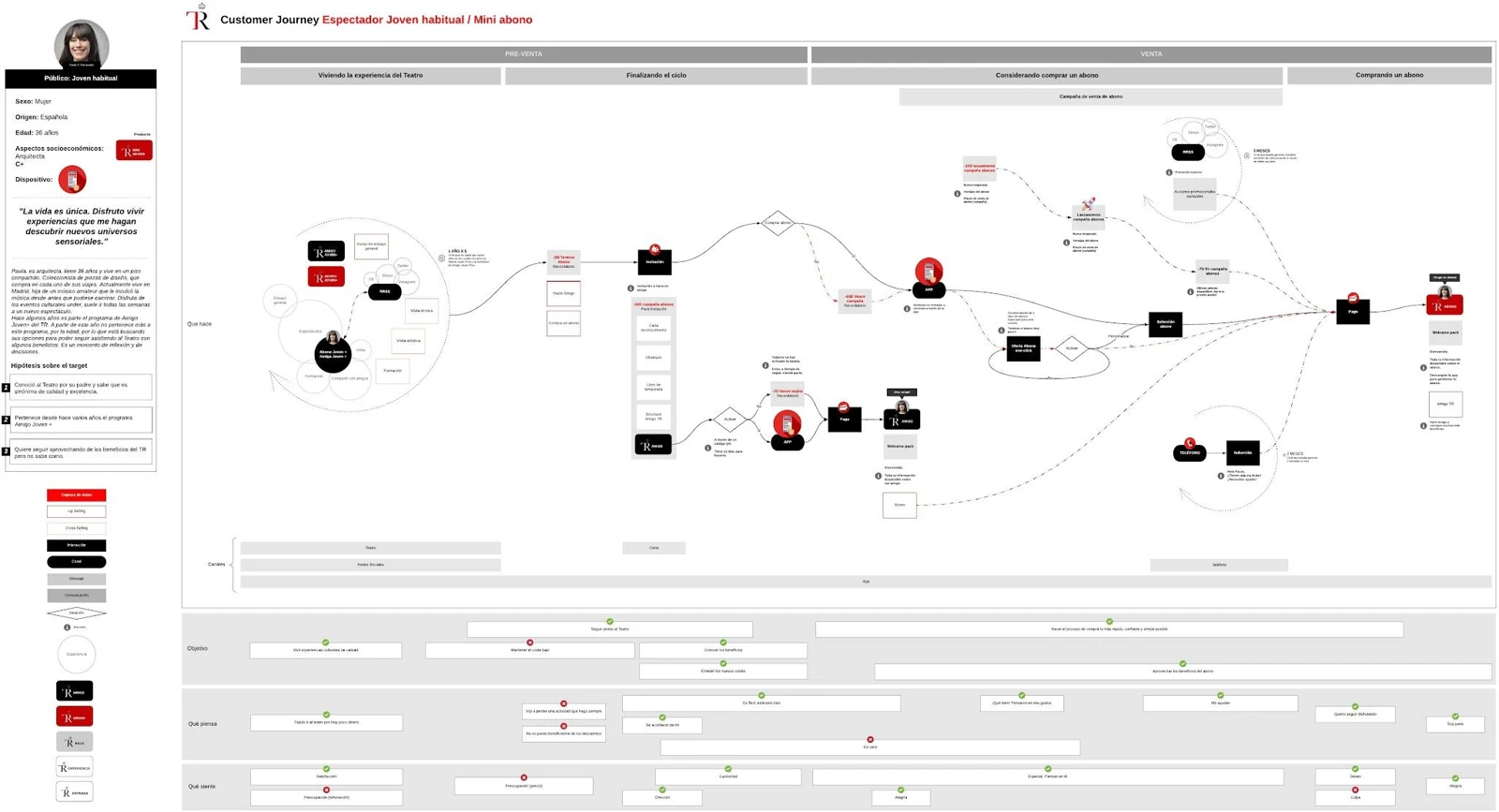
Customer Journey
Customer journey design for the different audience profiles and their associated products: subscribers, regular visitors, occasional local and international visitors, and younger audiences. Each journey connected goals, channels, captured data and opportunities for relationship-building, cross-selling or offer improvement, turning fragmented interactions into one continuous experience.
With the journeys defined, we translated the strategy into critical user flows. The focus was not only on choosing a ticket: we examined how the purchase of products and services, registration, the account area and the ongoing relationship with Teatro Real should coexist within one consistent experience.
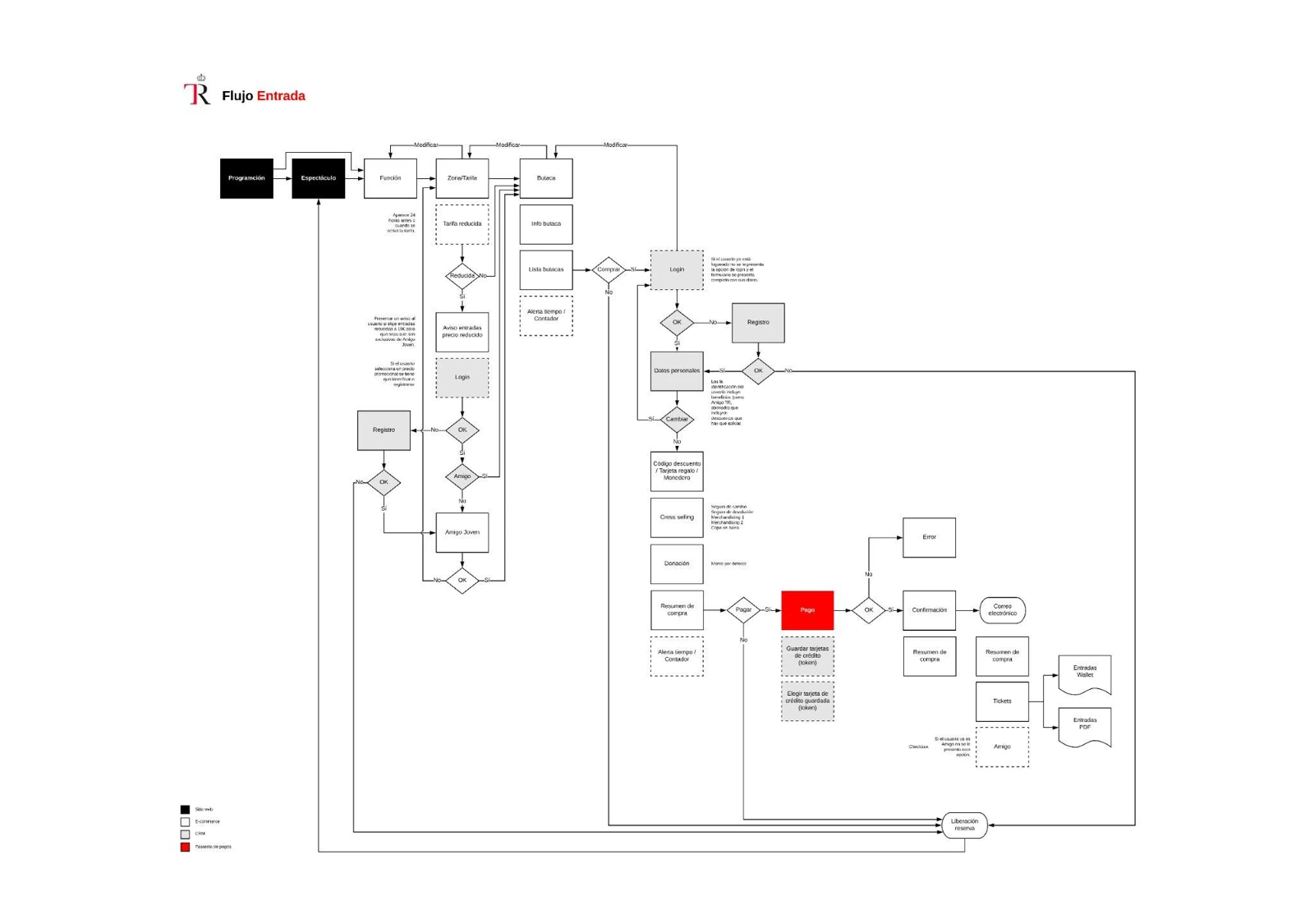
User Flows
Design of the critical flows for sales, payment, registration, sign-in and account management. The journeys structured decisions and steps for Teatro Real’s different products and services, from selection through purchase and subsequent access, with the aim of reducing friction, bringing clarity and enabling a more consistent relationship.
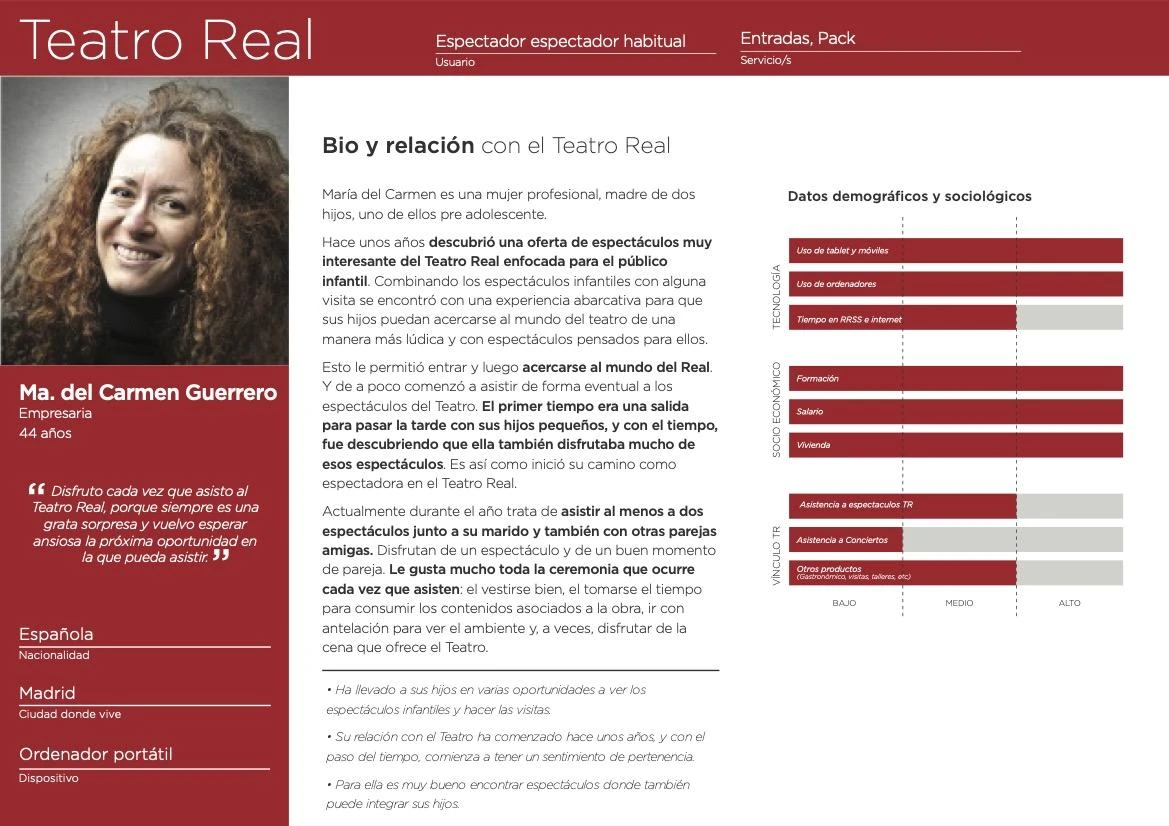
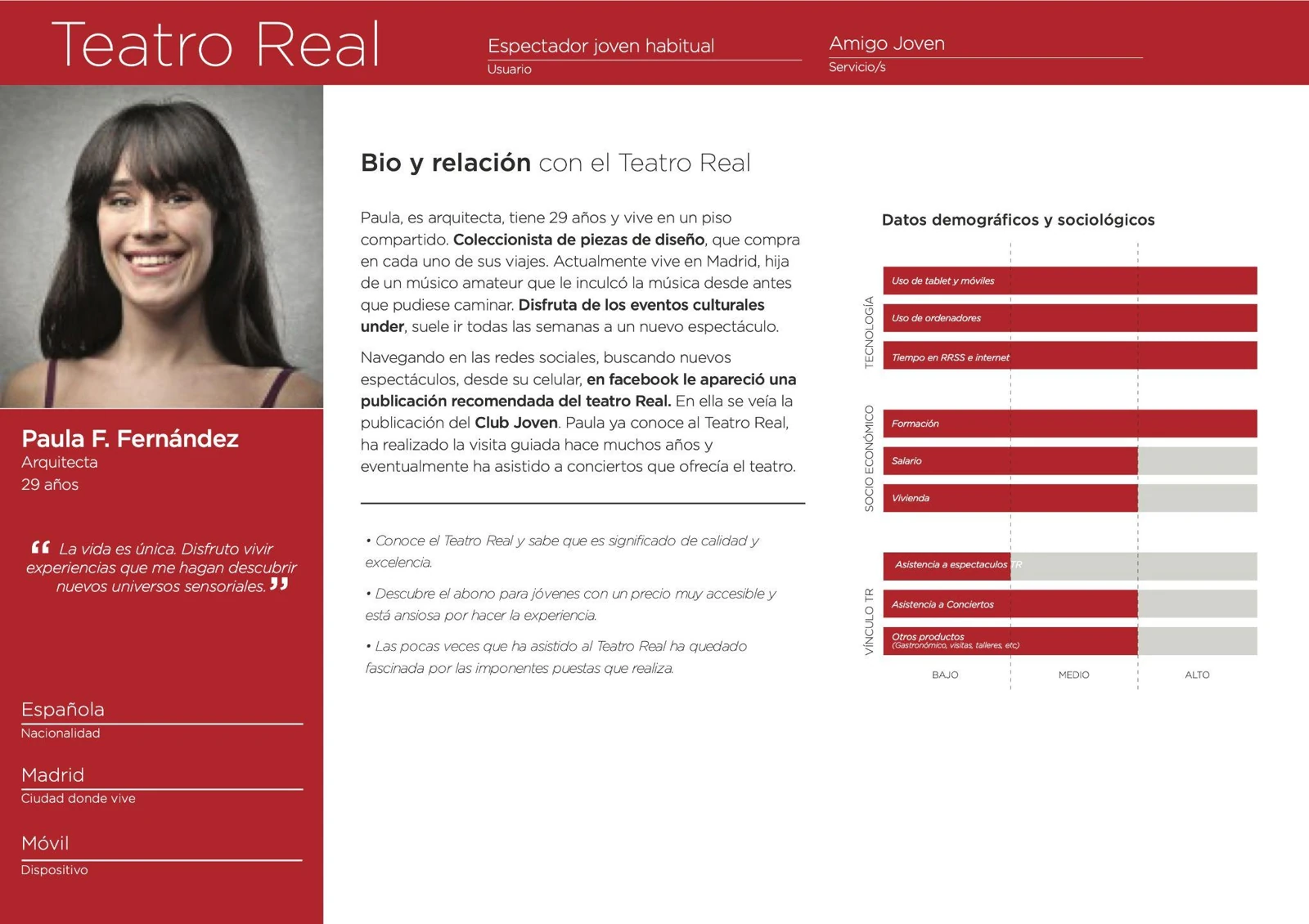
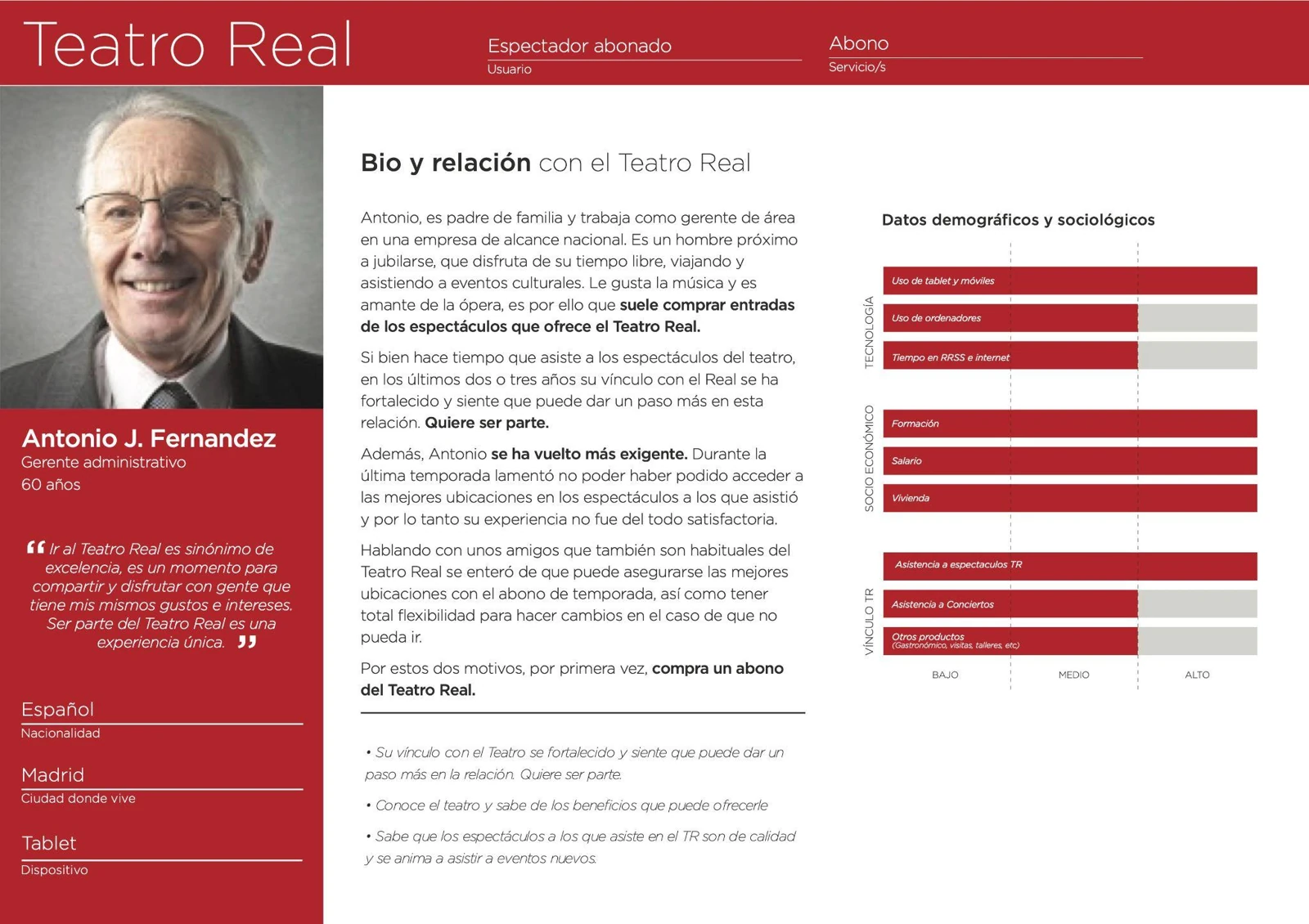
To turn the goal of rejuvenating the audience into design decisions, we defined user profiles that represented a diverse public: subscribers, regular visitors, occasional local, national and international visitors, and young people with different levels of connection to Teatro Real. These profiles linked needs, motivations, devices and products to specific design decisions.
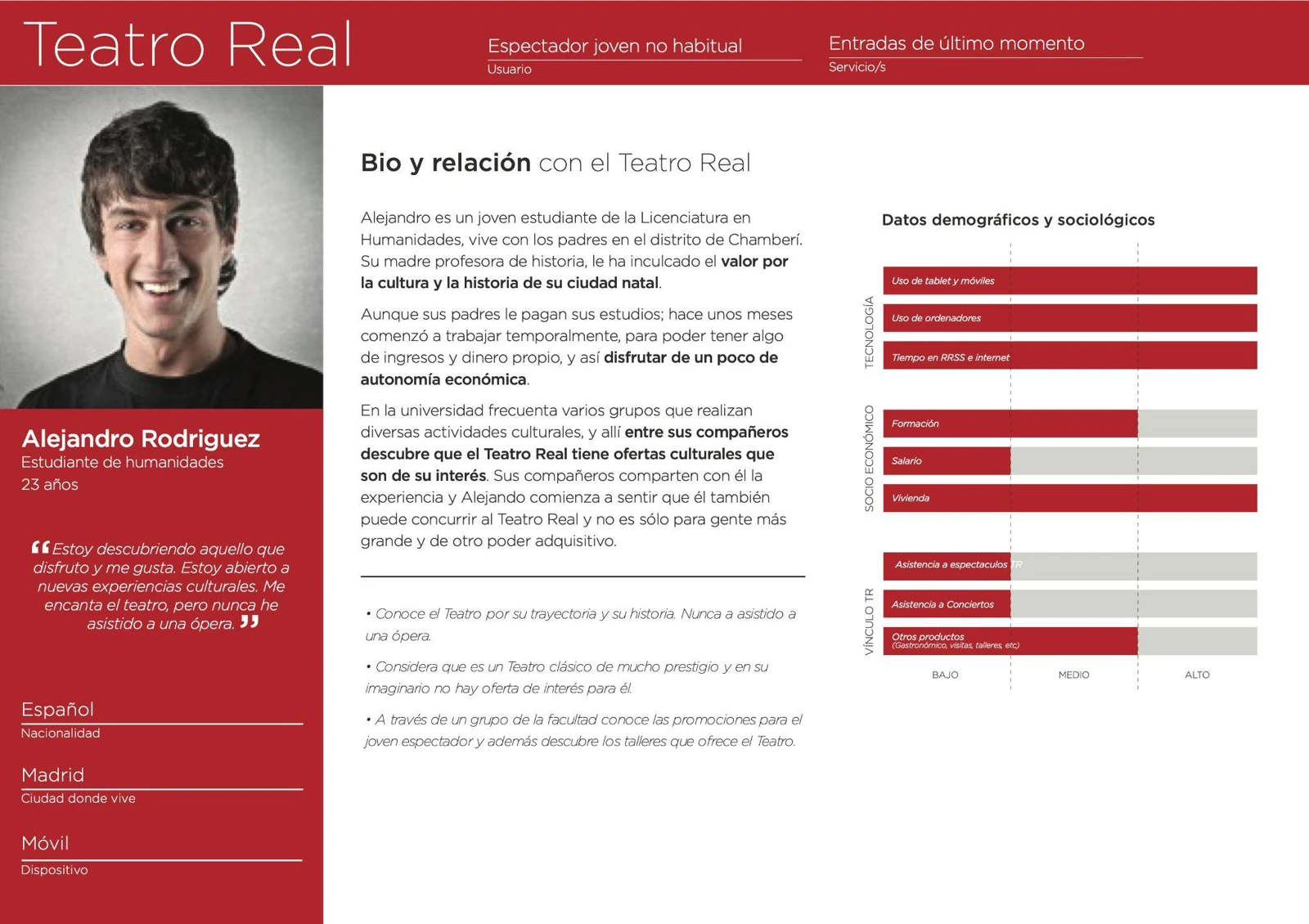
User Personas
Development of personas based on the segmentation of Teatro Real’s target audiences. The profiles incorporated demographic data, behaviours, preferences, devices and relevant products or services, and served as an empathy tool for adapting content, functionality and interactions to each segment.
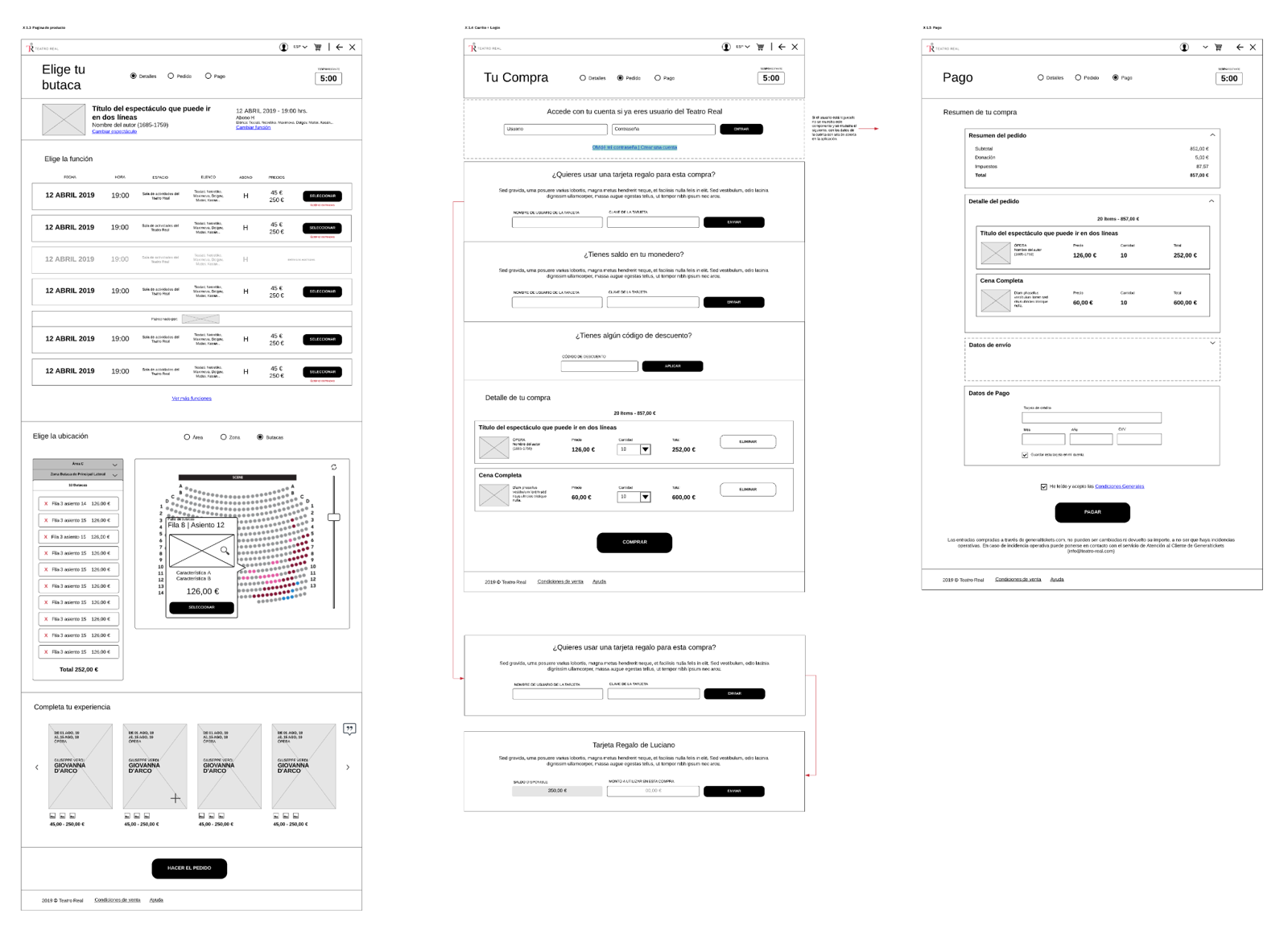
The strategy was translated into a practical system of architecture, flows, a template inventory and wireframes. We designed the interactions needed across the website, app, content platform and shared areas — sales, registration and the user account — adapting them for desktop, tablet and mobile.
Ticketing Wireframes
Wireframes for purchase, registration and account-area flows defined the structure, key interactions and steps for selection, checkout and post-purchase management. This work created a shared foundation for integrating Teatro Real’s offer, simplifying purchase and preparing visual design, prototyping and validation.
The result
The outcome was not simply a redesigned flow. It was a strategic and design foundation for aligning the website, app, Palco Digital / My Opera Player, online sales and the user account around one relationship with the audience. The digital channels came to be understood as complementary parts of a continuous experience, designed to be more accessible, relevant and attractive to new generations.
For Paginar, this project shows how product design can translate business and audience goals into a coherent digital experience. We documented profiles, customer journeys, requirements, architecture, flows and wireframes: a shared framework for evolving channels and the systems behind them. For Teatro Real, it provided an integrated vision that made audience rejuvenation a criterion for shaping its digital relationship with the public.
- Client

- Partner
