Hisense: an innovation lab for the connected home.
Paginar partnered with the Hisense Connected Appliances Innovation Lab team to design and develop functional connected-home prototypes showcased at CES 2024 and CES 2025.
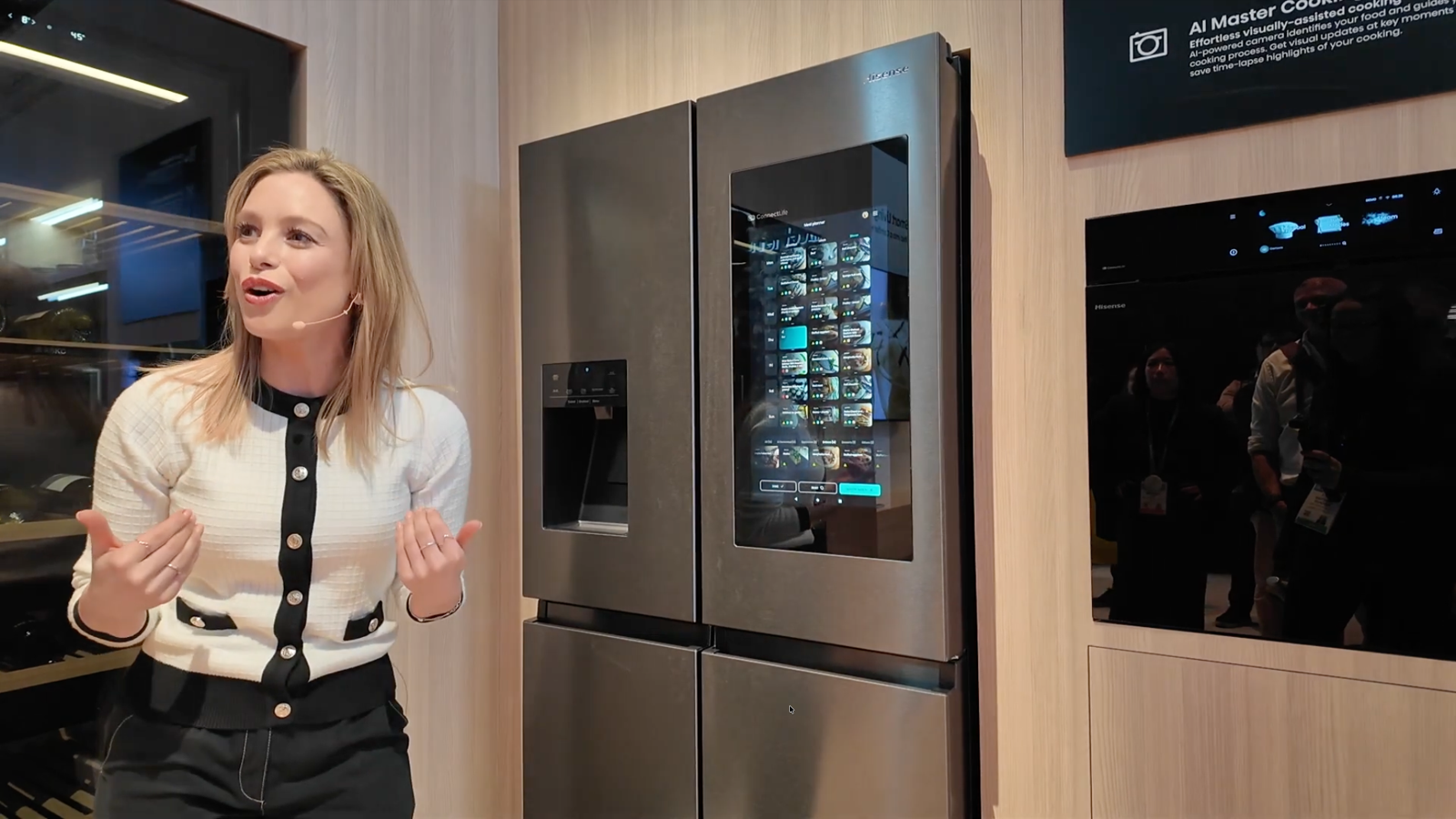
Hisense US wanted to explore how its appliances, screens and services could work together in a connected-home experience. For its Connected Appliances Innovation Lab, we designed and developed functional prototypes presented at CES 2024 and CES 2025, turning product concepts into interactive journeys across devices.
Services
We align business goals with people’s needs. We define priorities, scope and product criteria to guide design and development towards a shared vision.
We organise a digital product’s information, navigation and flows so people can understand it and achieve their goals. We make tasks clear, straightforward and appropriate to their context of use.
We shape interfaces through hierarchy, typography, colour and components. We design screens and interaction states that reflect the brand’s identity, with attention to readability and accessibility.
We create interactive representations of a product to explore and evaluate how it works before development. Prototypes help test ideas and user journeys and build a shared understanding across teams.
We develop mobile applications, adapting functionality and interactions to each platform’s capabilities and conventions. We connect the experience with the product’s services and data.
We turn designs and user journeys into functional interfaces. We build components and applications for each environment, with attention to performance, accessibility and continuity between design and implementation.
We develop the services, APIs and logic behind digital products. We connect data and systems to support functionality and make the solution easier to evolve.
We develop solutions that connect devices, software and data. We address communication between components and their relationship with physical operations to build connected experiences and services.
Work process
Paginar worked with the Hisense Connected Appliances Innovation Lab team at Hisense US, the innovation hub through which the company explores, validates, and brings new product experiences to life. Our brief was to design and develop functional prototypes for CES 2024 and CES 2025. Rather than solving the interface for a single device, we helped explore how appliances, displays, and digital services could work together.
We designed and developed a series of next-generation applications for refrigerators, ovens, climate-control systems, and connected-TV experiences. We defined the role of each within a broader ecosystem, with journeys that could begin on one screen, continue on another, and retain a shared context.
We did not create static concepts. We designed and developed fully interactive applications to validate product ideas, interaction models, and cross-device flows before commercial deployment. In doing so, we turned a technology vision into a tangible experience that could be tested.
We started from a simple premise: connectivity only adds value when it simplifies a task, provides relevant information, or enables one device to naturally continue what another has begun. We therefore defined the role of every touchpoint and the information that needed to move between them, designing a journey understood as one experience even as it unfolded across several screens.
We designed a journey that could begin on the connected TV. From an interactive cooking programme, users could discover a recipe, explore its details, and save it or send it to the kitchen. On the refrigerator, that selection reappeared alongside available inventory, recipes, and the shopping list. An Android screen then continued the preparation step by step and made it possible to start and monitor the connected oven.
We integrated content-led scenarios—recipes, meal planning, wellbeing, and inventory—with a layer that personalised recipes around preferences or restrictions. We also designed contextual appliance-status feedback and notifications across the different screens, making a system visible rather than a collection of disconnected applications.
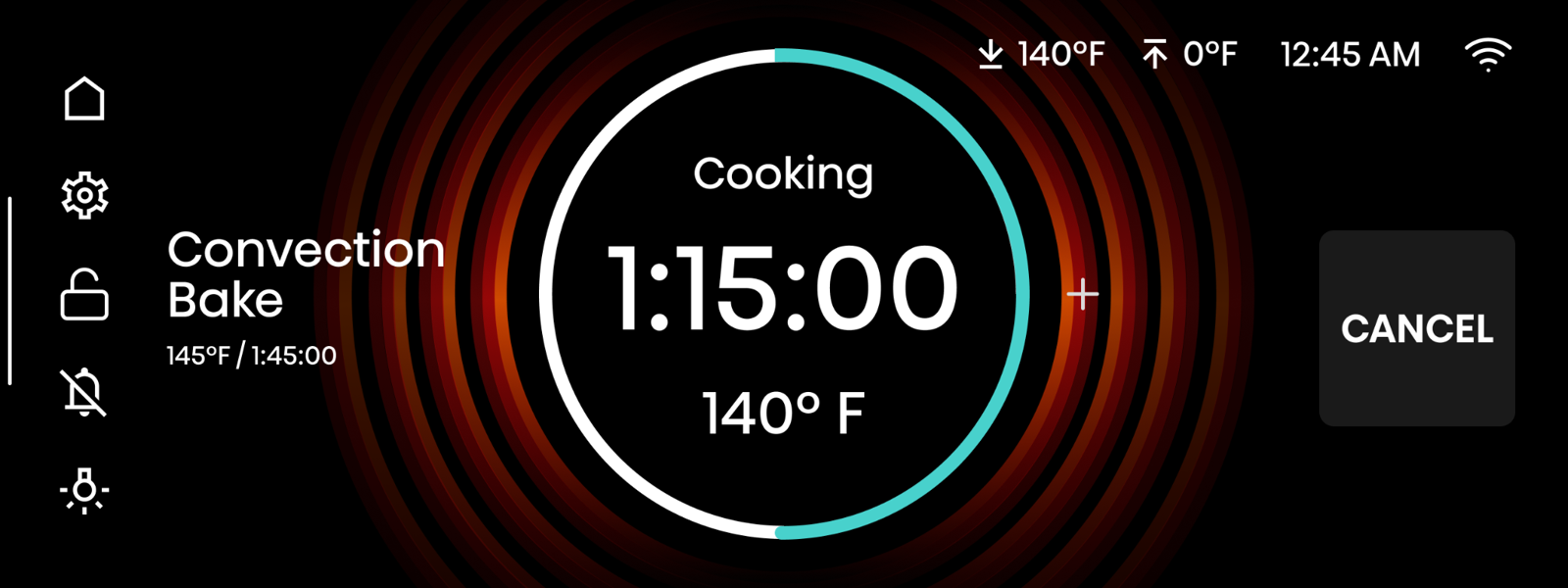
Oven Controller App Concept. Product concept, UX/UI design, and prototyping of an integrated interface for controlling a smart oven.
Our work combined product concept development, UX/UI design, wireframes, visual design, interactive prototyping, and application development. We designed experiences for refrigerator displays, Android tablets, and phones, and developed the front-end and back-end services needed for the demonstrations to operate as a real ecosystem.
We brought the scope to life in one complete sequence: a recipe discovered on TV moved to the refrigerator together with favourites and adaptations; the system compared its ingredients against the inventory; and an Android screen then guided preparation and sent the start command to the oven. For CES 2024, we developed an automated demo that coordinated these experiences in real time. For CES 2025, we evolved the prototype with new connected-kitchen, meal-planning, and inventory scenarios.
We conceived every prototype as a concrete, useful, and demonstrable part of the ecosystem. Together, they made it possible to explain not only what each appliance could do, but also how it related to the rest of the connected home.
Oven Controller App Concept. Product concept, UX/UI design, and prototyping of an integrated interface for controlling a smart oven.
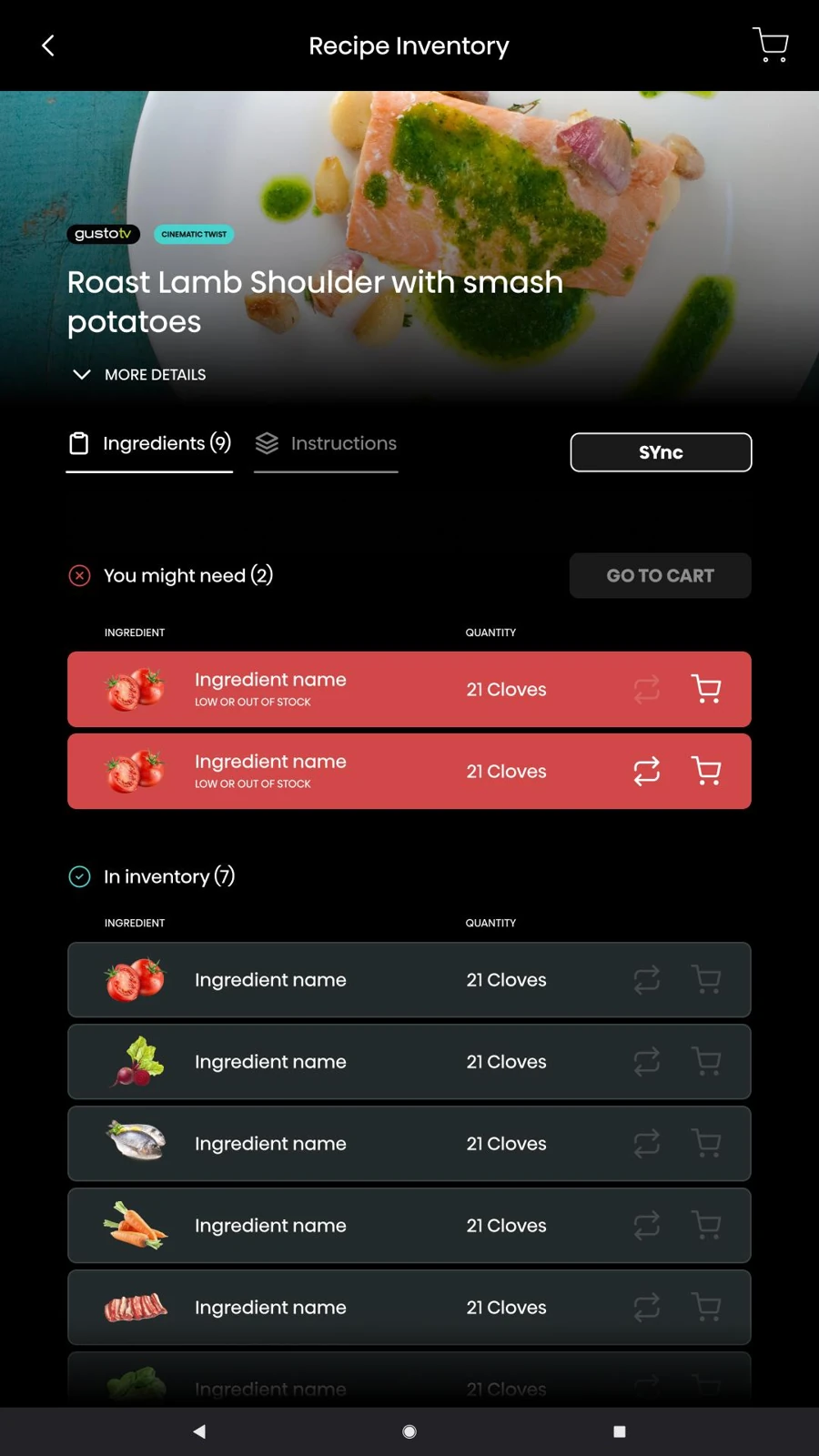
Fridge Inventory App Concept. Design and development of a smart-refrigerator application that brings inventory, recipes, and shopping together in a connected experience.
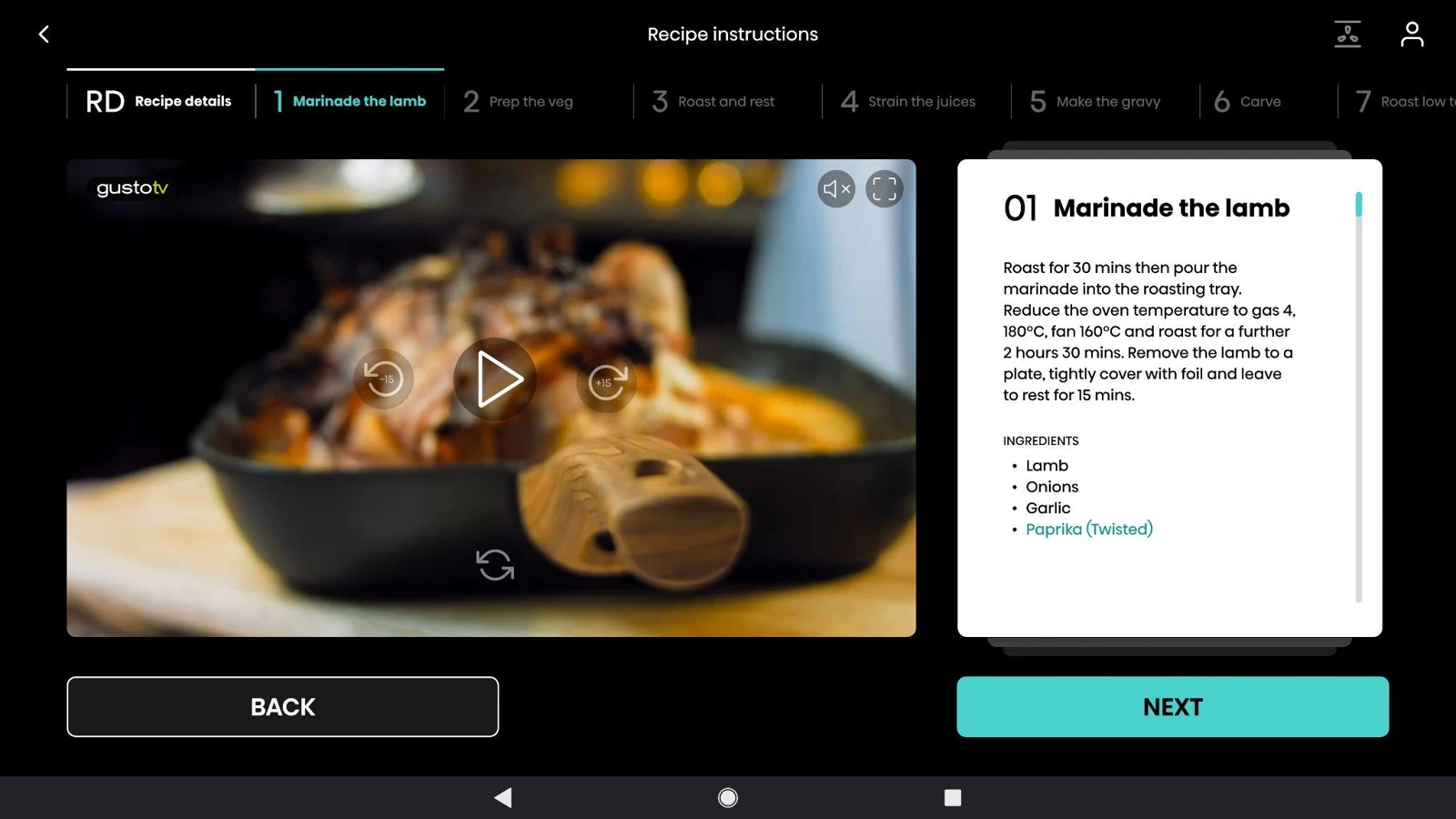
Kitchen Assistance Concept. Design and development of a connected-device cooking-assistance experience, created as a product demonstration.
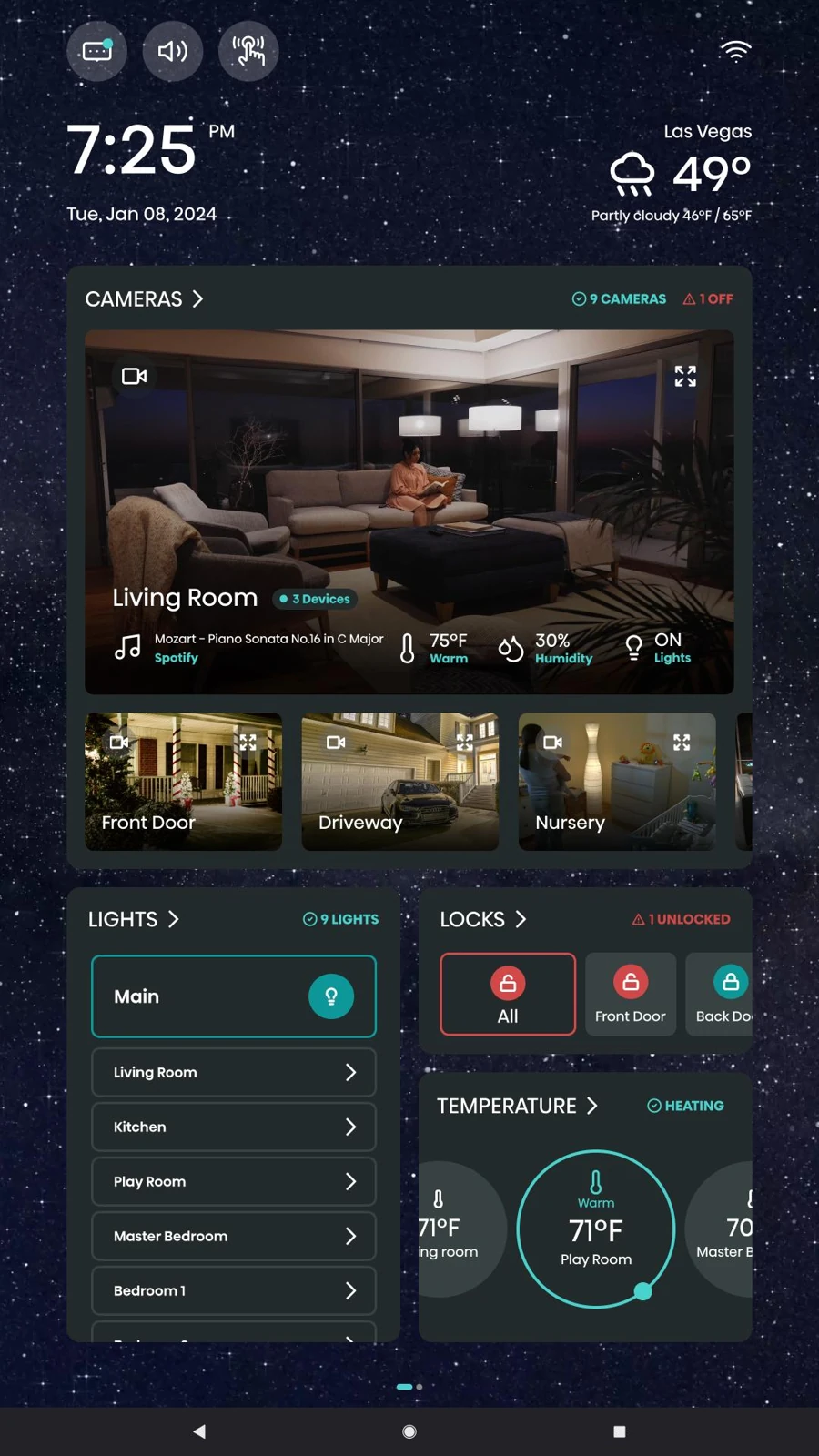
Smart Home Dashboard Widgets Concept. Concept, design, and prototype of a control dashboard for connected devices, accessible from a smart refrigerator screen.
The result
The outcome of our work was a design and development foundation that enabled Hisense to explore, validate, and communicate its connected-home vision. The functional prototypes made it possible to experience a complete journey—from content and recipe to kitchen, inventory, and oven—evaluate cross-device flows before commercial rollout, and showcase that vision at CES 2024 and CES 2025.
Connected-home demo presented at the Hisense stand during CES 2025.
Watch on YouTubeFor Paginar, this project demonstrates how product design and development can move forward together when innovation requires more than a presentation: real, connected experiences that are robust enough for an audience to understand, explore, and evaluate.
- Client
